The Emergency Savings Gap: Why Americans Feel Stretched and How to Fix It
Financial stress today rarely looks like a sudden, dramatic collapse. For a vast number of hardworking individuals, it is a quiet, creeping sense of fragility that exists despite steady employment and responsible habits. You may be paying your bills on time and showing up every day, yet still feel that your foundation is becoming increasingly brittle. This is the reality of the modern economy: a household can look perfectly fine on paper, but a single unexpected event—a medical bill, a car repair, or a spike in insurance premiums—can suddenly stretch resources to their breaking point.
This narrow margin for error is the quiet financial reality for many across the country. It is not necessarily a sign of failure, but rather a reflection of an environment where the costs of basic necessities have risen faster than the safety nets designed to catch us. In this article, we explore why this vulnerability is growing and, more importantly, how you can transition from survival mode to a position of strength and resilience.
The Growing Reliance on Debt Over Savings
Recent data from Bankrate highlights a historic shift in the American financial landscape. For the first time in over a decade, roughly 36% of Americans report having more credit card debt than emergency savings. Even more startling is that nearly one in four people report having no emergency savings at all. This represents a fundamental change in how households manage liquidity and risk. For many, credit cards have transitioned from a convenience tool into a de facto emergency fund.
This shift isn't driven by recklessness; it is driven by the sheer cost of living. Over the last several years, the baseline expenses for groceries, utilities, housing, and insurance have reached new heights. Even as incomes have risen for some, the cost of maintaining a standard quality of life has often outpaced those gains. When everyday life requires more cash flow than it used to, the ability to set aside liquid reserves becomes secondary to meeting immediate obligations.

Why Responsible Earners Still Feel Behind
One of the most frustrating aspects of the current economy is that financial anxiety isn't limited to those who overspend. We see many clients who work full-time, follow a budget, and avoid unnecessary luxuries, yet they still feel exposed. This sense of being "behind" often stems from the cumulative weight of small, persistent pressures rather than one catastrophic decision. It is the result of inflation fatigue, compounding debt payments used to bridge temporary gaps, and the steady climb of fixed costs like childcare and healthcare premiums.
The Impact of Subscription Creep and Lifestyle Inflation
Beyond the major economic drivers, there are smaller forces at play. Subscription creep—the slow accumulation of digital services and monthly memberships—can quietly erode a household’s monthly surplus. When these small costs are combined with rising utility rates and unexpected school expenses, they create a "death by a thousand cuts" scenario for your cash flow. Recognizing these patterns is the first step toward regaining control over your financial trajectory.
Emergency Savings: From Optional to Essential
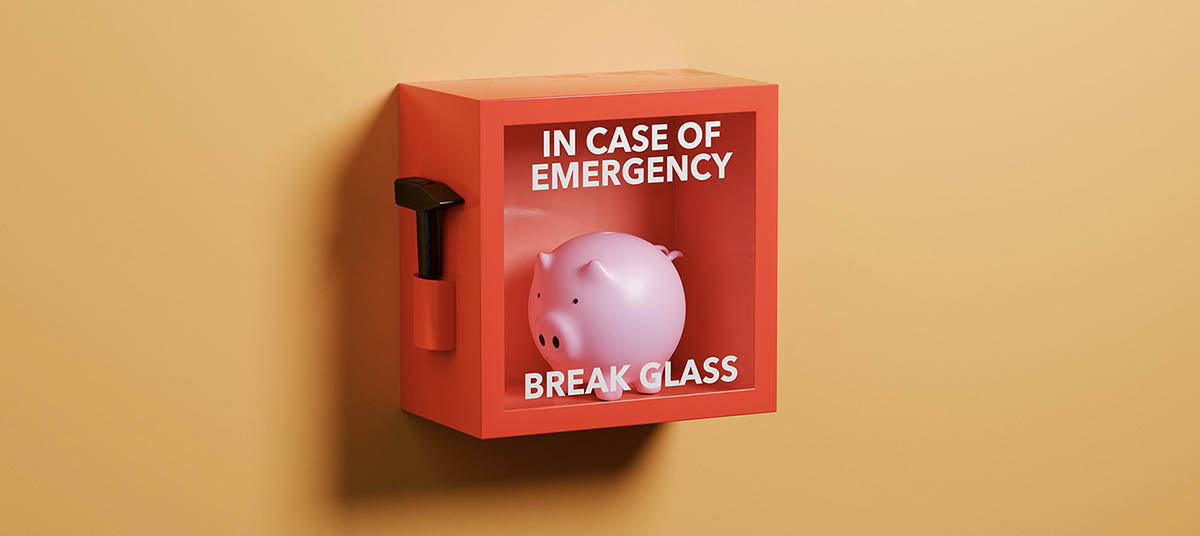
A few years ago, an emergency fund was often viewed as a secondary financial goal—something to work on after other priorities were met. In today’s volatile market, these reserves have become essential survival equipment. Layoffs in high-growth sectors happen faster, debt is significantly more expensive to carry, and recovering from a financial setback takes longer than it did a decade ago. Financial advisors emphasize cash reserves because they provide something more valuable than wealth: breathing room.
Breathing room is the capacity to absorb a surprise expense without immediately turning to high-interest debt. It allows you to maintain your standard of living while you navigate a job transition or a family emergency. Emotionally, this safety net reduces the constant background noise of financial worry, allowing you to focus on your career, your business, and your family with greater clarity.
The Compound Trap of the Credit Card "Backup Plan"
When credit cards become the primary buffer for cash flow gaps, the math changes quickly. With average credit card interest rates now hovering above 21%, carrying a balance is dramatically more expensive than it was in previous cycles. A revolving balance that felt manageable at 12% or 15% can become a cycle that is difficult to escape when minimum payments are almost entirely consumed by interest charges. This is one of the primary reasons financial stress feels heavier today; the cost of debt itself has become a major line item in the household budget.

The Emotional Weight of Financial Uncertainty
It is important to acknowledge that money stress is not just a mathematical problem; it is an emotional one. Persistent financial anxiety affects sleep, strains relationships, and diminishes your confidence in long-term decision-making. Many people carry a quiet burden of feeling underprepared or one emergency away from disaster. This toll is particularly heavy for young families and small business owners who are trying to balance rising current costs with the need to plan for the future.
Building Resilience Through Small, Consistent Habits
The good news is that financial stability does not require an overnight miracle or a massive increase in income. It is built through small, consistent systems that favor progress over perfection. By tracking spending more accurately, automating even modest savings contributions, and reviewing recurring subscriptions, you can begin to create a buffer. These habits, though they may seem small individually, compound over time to create a significant layer of protection against economic uncertainty.
The Power of Financial Visibility
One of the most effective ways to reduce anxiety is to improve financial visibility. Uncertainty is always scarier when you don't know the exact numbers. Having a clear understanding of your cash flow, your debt-to-income ratio, and your irregular expenses allows you to make calm, intentional choices. Visibility transforms a vague fear of the unknown into a manageable set of data points that you can address one by one.
Securing Your Financial Future Through Proactive Planning
Ultimately, the goal of building stronger financial systems isn't to live in fear, but to live with options. Preparation creates the freedom to make choices based on your long-term goals rather than your immediate stressors. While the current economy is challenging, building resilience is a gradual process that starts with a single step toward better visibility and planning.
If you are looking to improve your financial foundation or need a professional review of your cash flow and debt management strategies, our team is here to help. Contact us today to schedule a consultation and take the first step toward creating the breathing room you need for long-term success.
Want tax planning tips and insights?
Sign up for our newsletter.